

How to Maximize Value at Your Next catered Event

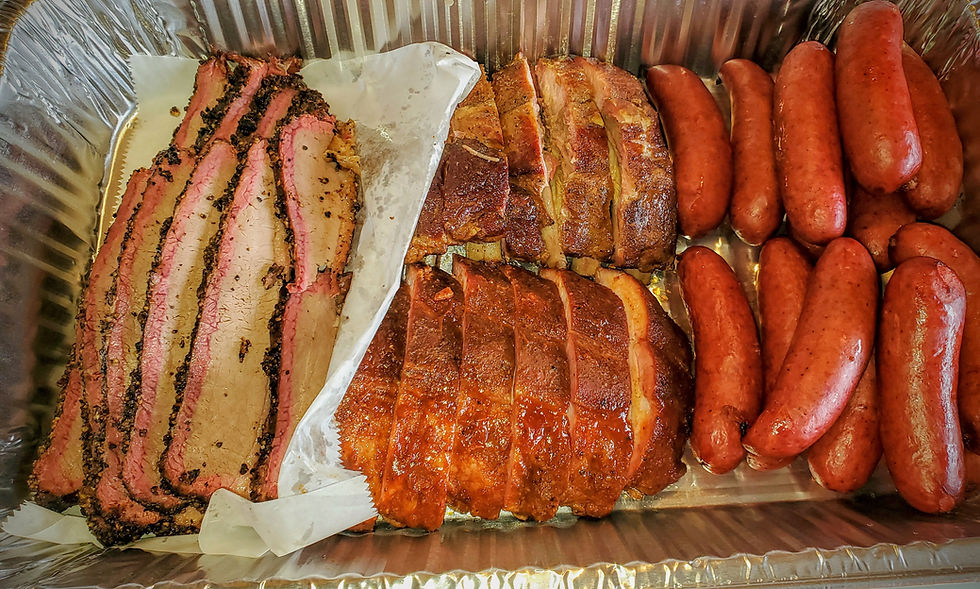
Let’s face it: feeding a crowd can be one of the biggest line items in your event budget. But a hefty price tag doesn't automatically guarantee a memorable meal, and a shoestring budget doesn't have to mean sad sandwiches. Getting true value from your catering is about strategic choices, smart planning, and focusing on impact. Here’s how to ensure your next event delivers delicious satisfaction without breaking the bank:
1. Define "Bang" Clearly (Before You Budget):
What's Your Priority? Is it stunning presentation, unique gourmet flavors, abundant portions, dietary inclusivity, seamless service, or minimizing waste? Knowing what "bang" means for this specific event is crucial. A corporate lunch prioritizes speed and dietary options, while a wedding focuses on memorable dishes and presentation.
Understand Guest Expectations: A casual networking mixer has different food needs than a formal gala dinner. Align the menu and service style with the event's tone and your audience.
2. Menu Mastery: Where Savvy Meets Savings
Seasonal & Local is Key: Ingredients in season are not only fresher and tastier, they're significantly cheaper. Work with your caterer to build a menu around what's abundant locally. Think summer berries, autumn squash, or spring asparagus.
Embrace Versatile Staples: Dishes that can be prepped efficiently and use overlapping ingredients reduce labor and food costs. Think hearty grain bowls, build-your-own stations (tacos, pasta, sliders), or globally inspired platters.
Smart Protein Choices: Proteins are often the most expensive component.
Stretch Premium Proteins: Use smaller portions of high-quality meat/fish in dishes packed with flavorful grains, veggies, or legumes (e.g., braised short rib over creamy polenta, grilled shrimp skewers with vibrant salsa).
Leverage Plant Power: Incorporate delicious vegetarian or vegan options as mains, not just sides. Think stuffed portobellos, lentil shepherd's pie, or vibrant curry bowls. They're often more budget-friendly and increasingly expected.
Consider Comfort Classics: Well-executed classics like roast chicken, hearty lasagna, or pulled pork can be incredibly satisfying and cost-effective.
Creative Presentation: Elevate simple ingredients. A beautifully composed salad bar with unique toppings feels more luxurious than a basic green salad. Skewers, mini portions, and edible vessels (cucumber cups, endive spoons) add perceived value.
Dessert Diversification: Instead of an expensive plated dessert, opt for:
A Stunning Display: A well-decorated cupcake tower or a varied dessert bar (cookies, brownies, fruit skewers) offers choice and visual appeal.
Bite-Sized Bliss: Mini desserts (tarts, mousses, truffles) feel indulgent and control portions/costs.
A Signature Sweet: One standout dessert (a fantastic cake, bread pudding station) can make a bigger impact than multiple mediocre ones.
3. Service Style Smarts:
Buffets & Stations: Generally the most cost-effective. They require less staff, allow guests to choose what they like (reducing waste), and encourage mingling. Ensure good flow and enough serving points.
Family Style: Platters on tables create a warm, communal feel and can be more budget-friendly than plated service, while still offering a curated experience.
Plated Dinners: Offer the highest level of service but are typically the most expensive due to labor. Reserve this for very formal events where the dining experience is the main event. Consider plated mains with buffet starters/salads/desserts as a hybrid.
Heavy Hors d'Oeuvres/Cocktail Reception: Perfect for shorter events or networking. Focus on 5-7 substantial, flavorful passed bites and 2-3 impressive stationary displays. Often more affordable than a full sit-down meal.
4. Beverage Brilliance:
BYOB (Where Permitted): If your venue allows, purchasing your own alcohol (especially beer and wine) from a discount retailer can yield massive savings compared to caterer markups. Pay the caterer a corkage fee for service.
Limited Bar: Offer beer, wine, a signature cocktail, and non-alcoholic options instead of a full open bar. Feature a seasonal or thematic signature drink.
Creative Non-Alcoholic Options: Impress with infused waters, homemade lemonades/iced teas, or a fun "mocktail" station. It's cost-effective and inclusive.
Skip the Soda: Offer water, iced tea, and coffee/tea as standard. Soda can be an unnecessary add-on cost.
5. Partner Wisely with Your Caterer:
Ask About Flexibility: Can they adjust portion sizes? Offer tiered menu options? Substitute ingredients? Use specific linens you provide?
Understand the Quote: Scrutinize! What's included (service staff, rentals, setup/cleanup, gratuity, cake cutting)? What are potential extras (overtime, last-minute additions)? Avoid hidden fees.
Leverage Their Expertise: They know what works well for groups, what's seasonal, and how to maximize efficiency. Trust their suggestions but ask questions.
Consider Off-Peak Times: Some caterers might offer slight discounts for events on weekdays or during slower seasons.
6. Logistics & Little Things:
Minimize Rentals: Can the caterer provide disposables that look nice (bamboo plates, compostable cups)? Does the venue include tables/chairs/linens? Every rental item adds up.
Right-Size Staffing: Ensure adequate staff for smooth service, but overstaffing inflates costs unnecessarily. Discuss staffing ratios with your caterer based on your service style and guest count.
Plan for Leftovers: Ask the caterer about their leftover policy. Can you take safe, untouched food? Have containers ready if appropriate (check food safety guidelines first!).
The Golden Rule: Splurge Strategically
Identify the ONE or TWO elements that will make the biggest impact for your event and allocate more budget there. Maybe it's:
An incredible main course.
A stunning dessert display.
Premium passed hors d'oeuvres during the key mingling hour.
Exceptional service staff.
Final Bite:
How to Maximize Value at Your Next Catering Event, isn't about cheapness; it's about intentionality and smart allocation. By defining your priorities, mastering the menu, choosing the right service style, managing beverages wisely, partnering effectively with your caterer, and sweating the small logistical details, you can create a truly satisfying and memorable culinary experience that leaves both your guests and your budget happy. Bon appétit, and happy (cost-effective) planning!


Comments