

bbq Sauce should be a complement, not a cover-up.

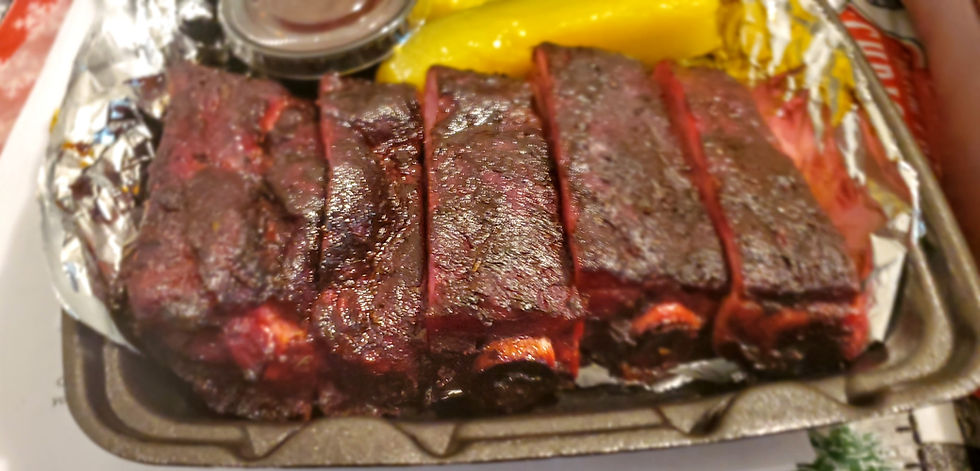
More Than Just Flavor: The Real Reason Pitmasters Use BBQ Sauce
If you’ve ever stood in line at a legendary barbecue joint, the aroma of post oak and hickory smoke swirling around you, you’ve probably had the same thought: "I can't wait to taste that meat, slathered in that famous sauce."
But here’s a secret from the pit: True barbecue isn’t about hiding the meat under a blanket of sauce. In fact, if you get a plate with sauce already all over it, some purists might raise an eyebrow.
So why is sauce such an integral part of the barbecue experience? The answer is a journey through history, practicality, and modern culinary artistry. The reason pitmasters added sauce in the first place might surprise you.
The Humble Beginnings: Necessity, Not Luxury
Long before barbecue was a trendy foodie scene, it was a way to feed a crowd using humble ingredients. The original reasons for sauce were born from sheer practicality:
The Preservation Power of Vinegar: The earliest American BBQ sauces, originating in the Carolinas, were vinegar-based. In an era before refrigeration, the acetic acid in vinegar acted as a mild preservative, helping the meat—often a whole hog—last longer outdoors in the heat.
Masking and Moisturizing: Not every cut was prime, and the long cooking process could dry out the outer layers. A tangy vinegar sauce helped add crucial moisture back into chopped pork and could mask the flavor of meat that was less than fresh.
Tenderizing Tough Cuts: Barbecue was built on tough, fatty cuts that needed long, slow cooking to become tender. The acid in the sauce acted as a tenderizer, breaking down fibers and making the meat even more palatable.
Stretching the Meal: Sauce was a way to make a precious protein go further. Mixing a flavorful sauce into pulled or chopped meat meant you could feed more people from a single hog or shoulder.
The Modern Pitmaster’s Art: The Sauce as a Finishing Touch
Today, with high-quality meats and precision smokers, the need for sauce is gone. But the practice remains, elevated to an art form. A modern pitmaster uses sauce not to cover up their work, but to complete it.
This is all about flavor layering. Think of a great plate of barbecue as a masterpiece with three distinct layers:
The Foundation (The Rub): A simple or complex blend of salt, pepper, and spices that forms a delicious crust.
The Soul (The Smoke): The low-and-slow cook that renders fat, creates that coveted bark, and infuses the meat with smoky goodness.
The Highlight (The Sauce): The final layer that adds a new dimension. It provides sweetness to contrast the savory, tang to cut through the fat, or heat to excite the palate.
Beyond flavor, sauce is a textural tool. When brushed on during the final stages of the cook, it caramelizes, creating a sticky, glossy glaze that makes the bark even more incredible.
Respecting the Craft: The Golden Rule
This brings us to the unwritten rule of barbecue: Sauce should be a complement, not a cover-up.
This is why many top-tier barbecue spots serve their sauce on the side. It’s a sign of confidence. The pitmaster is saying, "I believe my meat is perfectly smoked, seasoned, and tender all on its own. Try it first. Then, if you want to add another layer of flavor with my signature sauce, please do."
This philosophy also respects regional identities. A Kansas City thick tomato molasses glaze belongs on burnt ends. A Carolina vinegar pepper mop is meant for pulled pork. An Alabama white mayo sauce is designed for smoked chicken. Each one is a crafted response to the meat it accompanies.
So, the next time you pick up that sauce bottle or cup, remember you’re not just adding flavor. You’re participating in a tradition that stretches back generations. You’re adding the final, personal layer to a culinary masterpiece.
Now, go forth and eat! And never be afraid to taste the meat before you sauce it.
What's your barbecue sauce style? Sweet, tangy, spicy, or white? Let me know in the comments!


Really insightful post, love the focus on keeping sauce balanced instead of overwhelming the natural BBQ flavors. It’s a reminder that good barbecue is all about technique and restraint. Building on that idea, using best meat binders can really help enhance texture and keep the seasoning locked in during cooking. Appreciate you sharing such a well-explained take on true BBQ craftsmanship.